
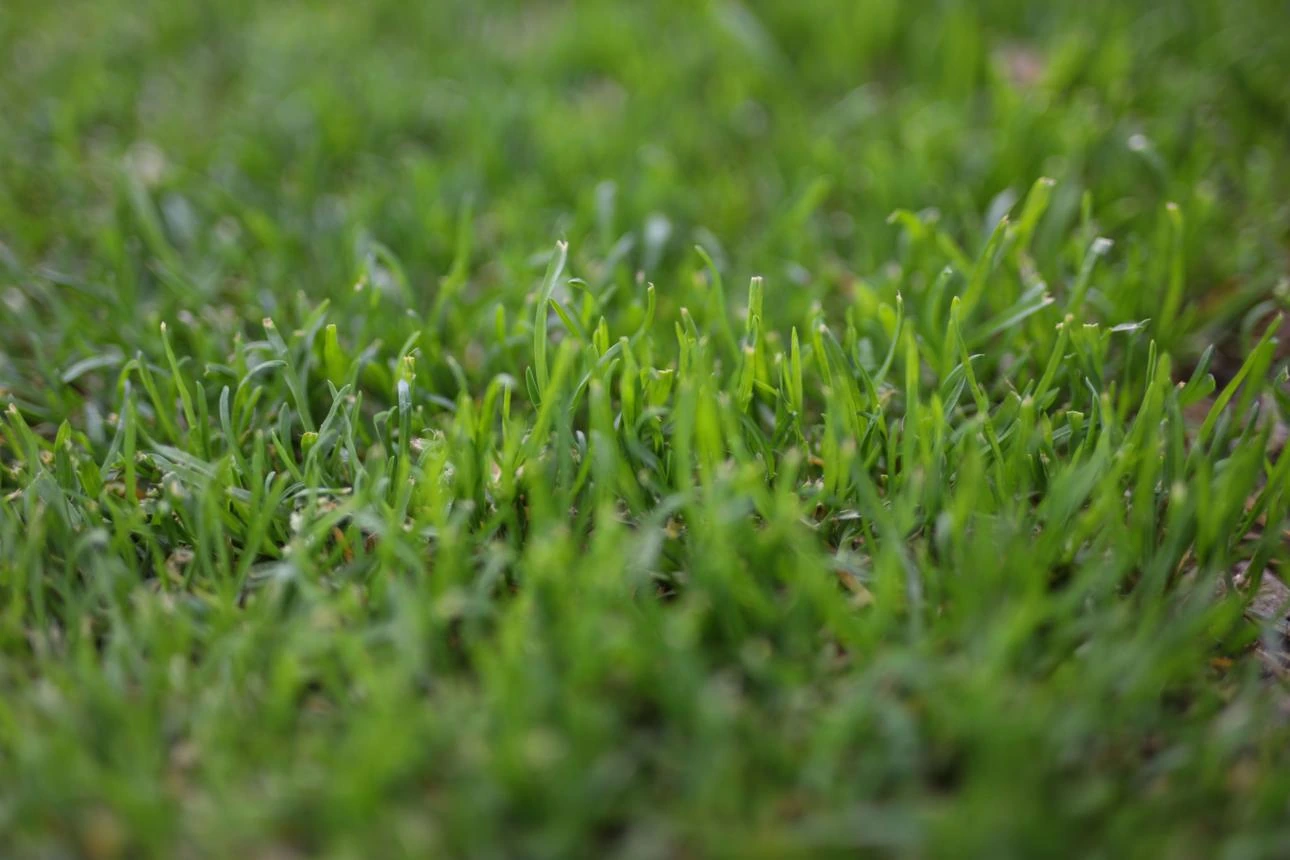
Golf Course Grass: 6 Types That Change How Golf Really Plays
Most golfers think about clubs, swing speed and weather conditions before a round. Far fewer pay attention to the surface under their feet. Yet golf course grass often changes how the game behaves more than players realize — especially around greens, on approach shots and during short-game play.
A player who understands golf course grass types quickly notices patterns others miss. Why one chip checks aggressively while another releases ten feet farther. Why a putt suddenly accelerates downhill despite looking flat. Or why some courses feel soft and forgiving while others demand low, running shots almost everywhere.
Practical verdict: golfers who mainly play one local course can get away with limited turf knowledge. But anyone who travels, competes, or wants more consistency should learn the basics of what grass is used on golf courses. Bermuda, bentgrass, fescue, zoysia, poa annua and rye each influence bounce, grain, spin and speed differently. Recognizing those differences often saves strokes faster than buying new equipment.
Why golf course grass matters more than most golfers think

Golf is unusual because the playing surface itself is alive. Unlike tennis courts or basketball floors, turf constantly changes depending on temperature, moisture, mowing height and seasonal stress.
Two golf courses can measure the same yardage yet play completely differently simply because of turf selection. A low-running links-style course built around fescue demands trajectory control and creativity. A lush bentgrass layout often rewards high approaches and aggressive putting.
The impact becomes most obvious in three areas:
- Ball rollout after landing
- Interaction between clubface and turf
- Green speed and break perception
That is why professional players spend practice rounds studying grass conditions almost as carefully as pin positions.
Grass influences short game more than full swings

On full iron shots, speed and compression often overpower subtle turf effects. Around greens, though, grass characteristics become brutally obvious.
Into-the-grain Bermuda can grab the leading edge and kill a chip shot instantly. Tight zoysia may create perfect contact but produce unexpected skid after landing. Wet rye overseed can slow down bump-and-run shots dramatically.
This is one reason tour professionals spend so much time inspecting turf direction around greens before choosing wedge technique.
Bermuda grass: fast, grainy and demanding around greens
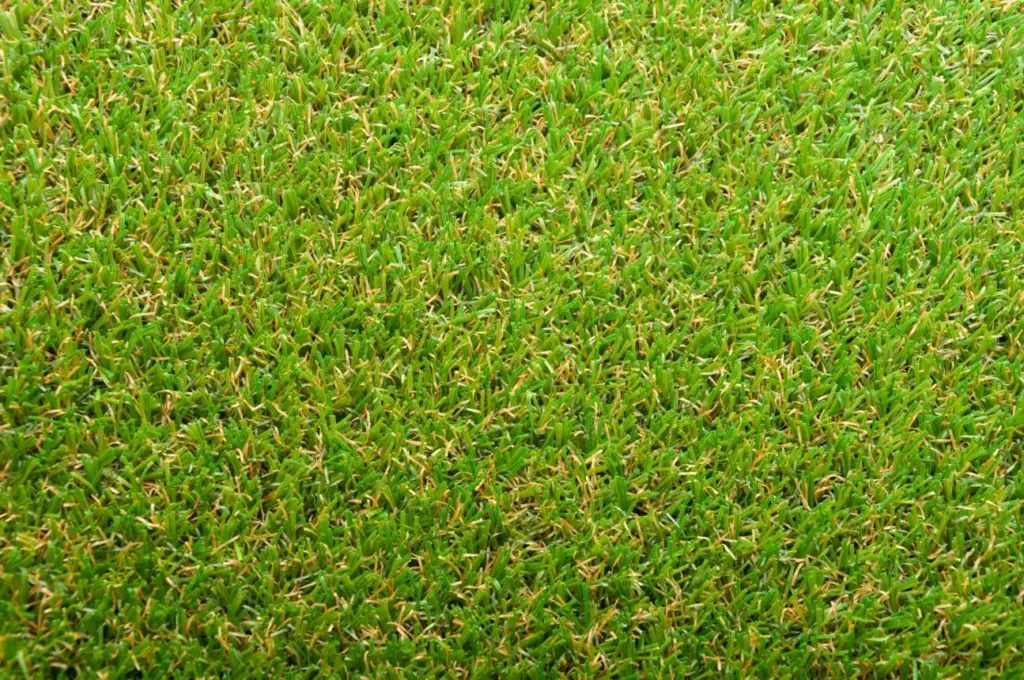
When golfers discuss grain, they are usually talking about Bermuda. Among all golf grass types, Bermuda has one of the strongest directional personalities.
Widely used across warm southern climates, Bermuda survives drought and heavy heat better than many alternatives. That durability makes it popular throughout Texas, Florida and large parts of the southeastern United States.
When tightly maintained, Bermuda creates firm, fast conditions that elite players often love. Balls release aggressively on fairways, and greens can become extremely quick.
The challenge appears as the grass grows longer.
How Bermuda grain changes putts and chips
Bermuda grain visibly influences ball movement. Putts moving down-grain tend to roll faster and break less. Into-the-grain putts often slow quickly and exaggerate break.
The same principle affects wedge play. Chipping into the grain can feel sticky, almost as if the turf briefly grabs the clubhead during impact.
Experienced golfers often identify grain visually:
- Shiny appearance usually means down-grain
- Darker or duller turf often means into-the-grain
Ignoring that detail around Bermuda greens creates many unnecessary three-putts and poor chips.
Who usually struggles on Bermuda
Golfers raised on northern bentgrass conditions often need time to adapt. Players with steep wedge delivery especially struggle because Bermuda punishes poor contact more aggressively than softer cool-season grasses.
At the amateur level, Bermuda also tends to expose indecision. Half-committed chips rarely survive heavy grain.
Bentgrass: smooth surfaces and classic northern conditions

If Bermuda dominates warm climates, bentgrass remains one of the defining cool-season golf grasses.
Bentgrass produces fine blades that tolerate extremely low mowing heights. This allows superintendents to create smooth, fast greens with minimal grain influence compared to Bermuda.
In spring and autumn conditions, especially across the Northeast and Midwest, bentgrass can deliver some of the purest putting surfaces in golf.
Why bentgrass changes during summer
Bentgrass dislikes extreme heat. During hot summer periods, courses often increase irrigation simply to protect turf health.
That extra moisture softens playing conditions:
- Fairways lose rollout
- Greens receive shots more softly
- Pitch marks become more noticeable
Interestingly, slightly stressed bentgrass often performs extremely well. Mild firmness can actually improve speed and consistency.
Many golfers mistakenly assume slightly brown bentgrass means poor conditions. In reality, controlled stress frequently produces firmer, faster and more predictable surfaces.
Fescue: the foundation of links-style golf

Fescue immediately brings to mind tall golden rough on seaside links courses. But limiting it to rough is misleading.
Fescue also works beautifully as fairway and tee grass when maintained correctly. Its biggest strengths are firmness and low maintenance demand.
Compared to other golf course grass types, fescue:
- Requires less water
- Grows more slowly
- Needs less frequent mowing
- Encourages natural bounce and rollout
Those characteristics define traditional links golf.
Why golfers either love or hate fescue conditions
Players who prefer aerial golf sometimes struggle on firm fescue layouts because shots rarely stop quickly after landing.
Creative golfers, meanwhile, often love fescue because it rewards imagination. Low punches, runners and creative recovery shots become viable options almost everywhere.
This style of golf also reduces the importance of raw spin rates. Ground interaction matters more than launch monitor numbers.
That difference explains why links specialists often outperform technically stronger players during Open-style conditions.
Zoysia: perfect lies with hidden complications
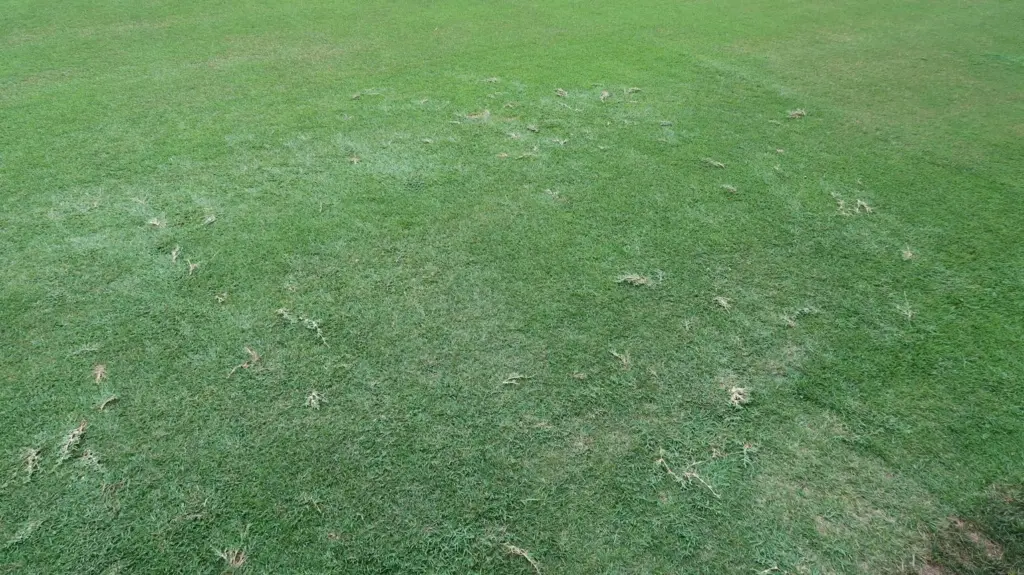
Among modern golf grass types, zoysia creates some of the cleanest fairway lies players will ever see.
Its blades stand upright and densely packed, making the ball appear slightly elevated above the turf. Many golfers describe it as almost resembling a permanent tee.
That characteristic makes iron contact feel exceptionally crisp.
Why zoysia can still surprise players
Despite its clean appearance, zoysia has a subtle challenge: friction.
Because the grass is dense and rigid, chip shots and bump-and-runs can slow unexpectedly after first contact with the turf.
Golfers unfamiliar with zoysia sometimes under-read rollout because visually the surface appears faster than it actually behaves.
From a maintenance perspective, zoysia also creates financial pressure. It is relatively disease-sensitive and often requires more protective treatment than budget-conscious facilities prefer.
Still, from a pure playing standpoint, many golfers consider premium zoysia fairways among the best lies in the sport.
Poa annua: controversial but often misunderstood
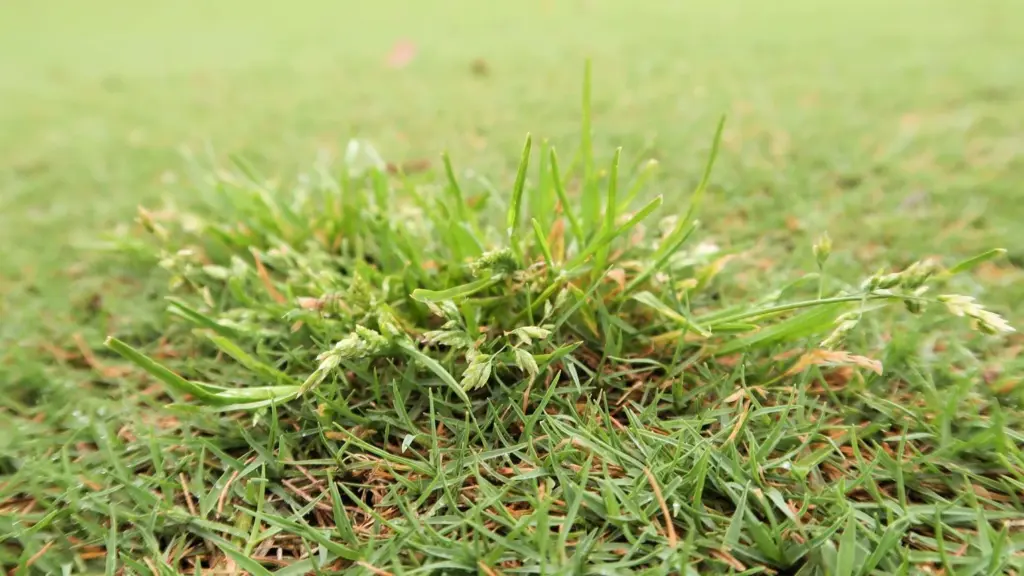
Few grasses generate stronger opinions than poa annua.
Players frequently blame poa for missed putts, especially late in the day when seedheads can create slight bumpiness on greens. That reputation is not entirely unfair. Poa grows quickly and changes texture throughout the day more noticeably than some alternatives.
Yet many elite courses rely heavily on poa annua surfaces.
Why poa remains popular at elite venues
Poa tolerates moisture, shade and heavy traffic remarkably well. Under professional maintenance, it can produce exceptional putting conditions.
The grass also creates visual texture that some players actually appreciate. Tiny seedheads or discoloration patterns sometimes make read lines easier to identify.
This is one reason certain experienced players become surprisingly comfortable on poa despite its inconsistent public reputation.
As of 2026, poa remains dominant or heavily present at several iconic championship venues, including Pebble Beach and Oakmont.
Rye grass: the invisible supporting actor

Rye rarely receives the attention of Bermuda or bentgrass, but it plays a major role in modern golf presentation.
Courses commonly use rye during overseeding periods when warm-season grasses enter dormancy. Rye restores visual color and improves winter playability.
Fresh overseed conditions usually create softer surfaces because rye requires considerable moisture during establishment.
What rye changes for golfers
Rye tends to stand upright and produce visually attractive mowing patterns. Fairways often appear lush and sharply striped under rye coverage.
Performance-wise, rye usually means:
- Softer landing conditions
- Reduced rollout
- More receptive fairways
- Slightly “sticky” turf interaction
That softer feel partly explains why heavily overseeded courses can play dramatically different between seasons despite identical architecture.
The Masters, for example, famously uses rye overseeding on fairways to maintain visual consistency and playability during tournament season.
How to identify the right grass strategy for your own game
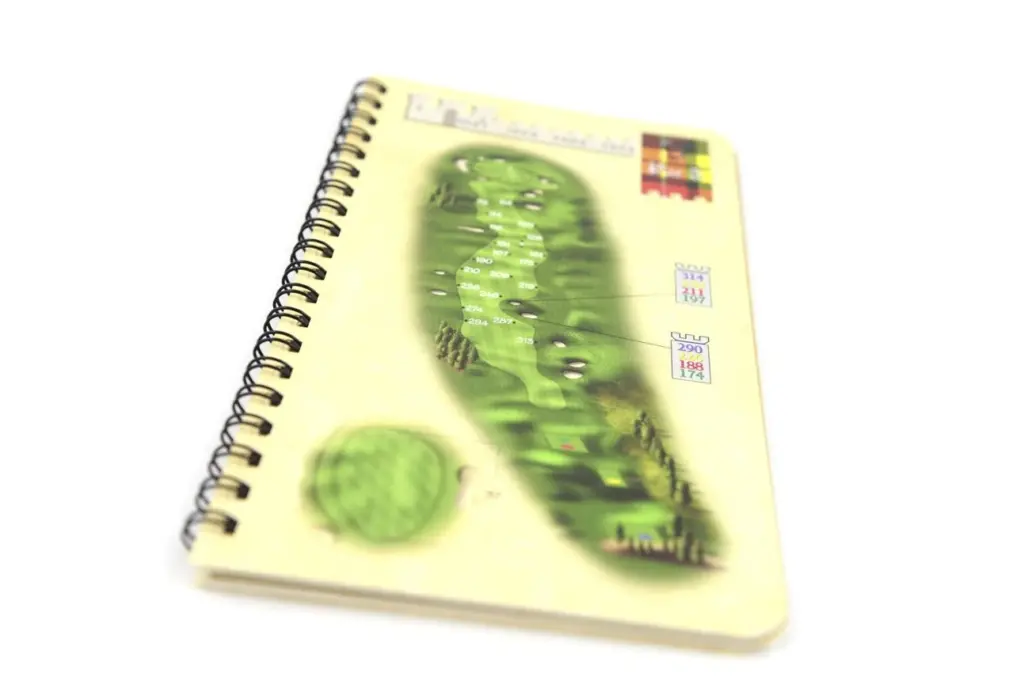
Learning what kind of grass do golf courses use is useful. Learning how your own game reacts to those surfaces matters even more.
Golfers who hit steep wedges may prefer firmer bentgrass or zoysia over grain-heavy Bermuda. Players relying on low runners often thrive on fescue. Golfers sensitive to visual green imperfections may dislike poa late in the day.
Before traveling or entering tournaments, it helps to check:
- Dominant grass type
- Seasonal conditions
- Overseeding schedules
- Typical green speeds
- Moisture expectations
Those details influence club selection and short-game strategy more than many golfers expect.
A common amateur mistake is preparing technically while ignoring turf adaptation entirely. Then the player arrives at a new course and suddenly struggles with rollout, contact or putting pace despite swinging well.
Understanding golf grass is ultimately about prediction. The better you recognize how turf behaves, the more predictable golf becomes.
And in a sport built around controlling uncertainty, that knowledge is far more valuable than it first appears.